
Top Layer:Provides UV resistance and protection against environmental damage.Reinforcement Layer:Often made of polyester fabric or scrim for enhanced strength.Base Layer:Offers flexibility and resistance to punctures or tears.
- Energy Reflection:The white or light-colored surface reflects solar radiation, reducing heat absorption within the building. This helps lower cooling costs in warmer climates.
- Seam Strength:Heat-welded seams form a durable bond that resists leaks better than other roofing materials like EPDM (rubber roofs).
- Resistance Features:Built-in resistance to UV rays, ozone degradation, chemical exposure, and bacterial growth makes it suitable for diverse environments.
| Feature | Benefit |
| Energy Efficiency | Reflects heat to reduce cooling costs |
| Durability | Resistant to tears, punctures, and environmental damage |
| Longevity | Can last 20+ years with proper maintenance |
| Versatility | Adaptable for flat or low-slope roofs |
| Cost-Effectiveness | Provides high performance at an affordable price |
– Industrial facilities appreciate its resistance to chemicals commonly found in manufacturing processes. – Institutional buildings like schools or hospitals leverage its durability for long-term use.
Installation Methods: A Quick Overview
There are three primary methods used during the installation process: 1.Mechanically Attached:Secured with screws and plates for quick installation. 2.Fully Adhered:Glued directly onto the substrate for enhanced wind resistance. 3.Ballasted System:Held down using large stones or pavers; less common today but still an option.
Its growing popularity in modern construction is a testament to its ability to balance performance with affordability while meeting sustainability goals through energy-efficient design principles.
It is composed of a blend of polypropylene and ethylene-propylene rubber, which creates a flexible yet resilient material suitable for various climates.
This process ensures protection against leaks, weather damage, and other common roofing issues.
Top Features of Commercial Roof Installations San Diego, CA
- Composition: Made from a combination of polymerized materials that enhance strength and flexibility.
- Single-Ply Design: A single layer of membrane ensures easy installation and reduced material waste.
- UV Resistance: Built-in reflectivity helps protect the building from ultraviolet radiation.
- Flexible Across Climates: Performs well in both hot environments (reflecting sunlight) and cold conditions (resisting cracking).
- Reflectivity and Energy Efficiency
This reflectivity reduces heat absorption, helping to lower cooling costs in warmer climates. By keeping the building cooler during summer months, it minimizes strain on HVAC systems. - Seamless Waterproofing
The membrane’s seams are heat-welded using specialized equipment, creating strong bonds that eliminate vulnerabilities present in roofs with adhesives or mechanical fasteners alone. These welded seams ensure watertight protection against heavy rain or snow. - Resistance to Environmental Factors
- Flexibility for Structural Movement
Commercial buildings often experience expansion or contraction due to temperature changes or structural loads.
Benefits of Choosing a Commercial Roofing Company San Diego, CA Over Traditional Materials
| Feature | Traditional Materials | TPO Roofing |
| Reflectivity | Moderate | High |
| Seam Durability | Moderate | Superior |
| Maintenance Needs | Frequent | Minimal |
| Longevity | 10–20 years | 20–30+ years |
The installation process involves rolling out the single-ply sheets across the roof deck before securing them either mechanically or with adhesives. Heat welding follows to seal the seams for maximum durability.
TPO’s lightweight nature makes it easier to handle during installation compared to alternatives like EPDM or modified bitumen roofs.
Its design caters directly to today’s demand for sustainable construction practices without compromising on performance or cost-efficiency.
This single-ply roofing membrane offers a wide array of benefits that make it an excellent choice for protecting and enhancing buildings.
Energy Efficiency and Cost Savings
Its reflective surface minimizes heat absorption, reducing cooling costs during warmer months.
By cutting down on HVAC usage, businesses can save substantial amounts on their energy bills over time.
Durability and Resilience
- Weather Resistance: It remains durable against extreme weather events such as high winds, hailstorms, or heavy rain.
Cost-Effectiveness Compared to Alternatives
| Feature | TPO Roofing | PVC Roofing | EPDM Roofing |
| Installation Cost | Moderate | Higher | Moderate |
| Reflectivity | Excellent | Good | Low |
| Seam Strength | High (heat-welded) | High (heat-welded) | Moderate (adhesives) |
| Longevity | 20–30 years | 20–30 years | 15–25 years |
Environmentally Friendly Option
- Low VOC Emissions: The installation process involves materials with minimal volatile organic compound emissions.
Choosing environmentally friendly materials not only benefits the planet but also reflects positively on a company’s corporate responsibility efforts.
Easy Installation and Maintenance
- Fewer seams reduce potential leak points over time.
- Heat-welded seams create strong bonds that are less prone to failure.
- Routine maintenance involves simple cleaning with mild detergents to maintain reflectivity.
This ease of upkeep makes it a cost-effective option throughout its lifespan.
This step helps identify any damage or structural weaknesses that need to be addressed prior to installation.
- Assessing for water damage or mold.
- Checking for cracks or weak spots in the substrate.
- Ensuring proper drainage systems are in place.
- Removing debris from the roof surface.
- Repairing damaged areas.
- Cleaning the surface to ensure proper adherence of materials.
Proper insulation is essential in enhancing energy efficiency and maintaining consistent indoor temperatures.
- Polyiso (polyisocyanurate): Known for its excellent thermal resistance.
- EPS (expanded polystyrene): Lightweight and cost-effective.
- XPS (extruded polystyrene): Durable and water-resistant.
Insulation boards are typically mechanically attached or adhered using specialized adhesives.
- Ensure proper alignment with minimal overlaps between sheets.
- Allow time for any wrinkles or folds to settle before securing it.
- Mechanically Attached:Screws and plates are used to secure the membrane at its seams. This method works well in regions with high wind conditions.
Seams between membrane sheets are then heat-welded using specialized welding tools, forming an airtight seal that prevents water penetration.
Table: Comparison of Attachment Methods
| Method | Advantages | Considerations |
| Fully Adhered | Superior wind uplift resistance | Requires more adhesive application time |
| Mechanically Attached | Faster installation process | May be less effective in extreme weather conditions |
Flashing is applied around roof penetrations (e. g. , vents, pipes, HVAC units) to ensure these areas are watertight and secure. Proper flashing minimizes leaks by reinforcing vulnerable spots where water infiltration is most likely to occur.
A final inspection ensures every detail has been executed correctly during installation.
- Check seam welds for consistency and strength.
- Verify that flashing and edges are properly sealed.
- Confirm there are no visible defects in materials or workmanship.
Key Takeaways on Proper Installation
- Enhanced energy efficiency through proper insulation layers.
- Reduced potential for leaks due to heat-welded seams and quality flashing techniques.
- Longevity when installed by skilled professionals who prioritize precision at every stage.
Ensuring each step is implemented correctly not only extends your roof’s lifespan but also helps minimize future repair costs over time while keeping your business protected year-round.
Identifying the right time to address issues is critical for ensuring the longevity of your roof and reducing long-term costs.
Regular inspections can help identify potential issues before they escalate.
- Ponding Water: Standing water on the roof surface can lead to material degradation over time.
- Cracks or Punctures: Physical damage caused by debris, harsh weather, or heavy foot traffic can compromise the membrane.
- Seam Failures: Improperly sealed or deteriorating seams are a common issue that can allow water infiltration.
- Discoloration: Fading or discoloration of the membrane may indicate UV damage, which can reduce its protective qualities.
- Blisters or Bubbles: These are usually caused by trapped moisture beneath the membrane and must be addressed promptly.
When to Consider a Full Roof Replacement
- If your roof is approaching this age, frequent repairs may no longer be sufficient.
- If more than 25–30% of the membrane is compromised, replacement might be more practical than patchwork fixes.
- Damage to insulation layers or decking often requires a complete overhaul of the roofing system.
- If your building’s energy efficiency has significantly decreased due to an aged or failing roof, investing in new materials with improved reflectivity and insulation could save costs in the long run.
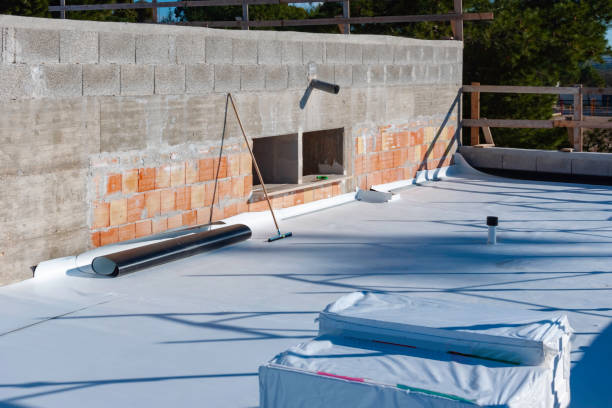
The Benefits of Addressing Problems Early
| Issue | Potential Consequence | Benefit of Early Action |
| Small leaks | Water damage inside the building | Prevents structural deterioration |
| Seam separations | Widespread water infiltration | Protects against costly interior repairs |
| UV deterioration | Heat absorption and material cracking | Maintains energy performance |
Steps for Effective Maintenance
- Conduct professional inspections twice annually (spring and fall).
- Remove debris regularly from drains and gutters.
- Apply reflective coatings periodically if recommended by manufacturers.
- Address wear-and-tear areas immediately after storms or high-foot traffic events.
Investing in consistent upkeep saves money over time while ensuring that major repair work doesn’t catch you off guard.
By recognizing early warning signs and acting swiftly, you safeguard not only your building but also reduce unnecessary expenditures related to severe damages down the line.
The complexity of this process, combined with the need for precision to ensure durability and performance, makes a skilled and knowledgeable team indispensable.
Expertise in Material Handling
- Properly store materials to prevent damage or warping.
- Select adhesives, fasteners, or heat-welding techniques tailored to environmental conditions.
Improper handling by inexperienced individuals can lead to costly repairs or premature roof failure down the line.
Precision During Installation
Key components like seam welding and flashing details demand precision.
- Seam Strength– Overlapping seams must be welded airtight to prevent water infiltration.
- Proper Drainage– Experienced installers design slopes and drainage systems that effectively mitigate ponding water.
- Adherence to Manufacturer Guidelines– Certified professionals follow strict manufacturer protocols, ensuring your warranty remains valid.
Enhanced Safety Measures
- OSHA-compliant practices for fall protection.
- Safe operation of equipment like hoists and scaffolding.
- Identifying structural hazards before commencing work.
By hiring experts who prioritize safety at every stage, you minimize risks and ensure smoother project completion.
Access to High-Quality Materials and Equipment
- Longer-lasting roofs with superior weather resistance.
- Reduced downtime due to faster installation processes.
- Better overall value when compared with DIY efforts or less experienced crews using subpar materials.
Cost Efficiency Over Time
| DIY/Amateur Installation Risks | Professional Installation Benefits |
| Premature membrane wear | Extended lifespan of the roofing system |
| Frequent repairs due to poor workmanship | Reduced maintenance expenses |
| Potential voiding of product warranties | Full warranty compliance |
Investing in professional expertise reduces financial strain caused by unplanned repairs or replacements stemming from errors during initial installation.
Tailored Solutions for Unique Requirements
Every building has unique challenges based on its size, structure type, climate exposure, and intended usage. A professional team will conduct a thorough evaluation before installation begins to develop customized solutions that align with your specific needs.
Examples include:
– Reinforced membranes for high-wind areas. – Improved insulation layers for energy efficiency in colder climates. – UV-resistant coatings for extreme sun exposure zones.
Warranty Protection & Post-Installation Support
Most manufacturers offer warranties only if certified installers complete the roof installation process according to their specifications.
Opting for expert involvement ensures not only technical precision but also peace of mind knowing your investment is protected against future issues—a critical factor when it comes to large-scale commercial properties reliant on durable roofing solutions.
Proper preparation of your commercial roof for seasonal changes is essential to ensure long-term durability and performance.
- Schedule routine inspections before significant weather shifts, such as transitioning from summer to fall or winter to spring.
- Cracks or punctures in the membrane
- Loose seams or flashing
- Pooling water after heavy rain
- Remove any dirt, debris, leaves, or branches that may have accumulated on the rooftop.
- A clean surface prevents moisture retention and ensures proper drainage during rainy or snowy weather.
- Ensure gutters and downspouts are free from clogs to prevent water build-up during storms.
- Check all flashings and seams for signs of wear or separation. These areas are particularly vulnerable to leaks when exposed to harsh weather conditions like heavy rain or snow.
- Delaying repairs can lead to larger issues over time.
Seasonal Maintenance Checklist
| Task | Summer | Fall | Winter | Spring |
| Inspect Roof Membrane | ✅ | ✅ | ✅ | ✅ |
| Clean Drainage Systems | ✅ | ✅ | ✅ | |
| Assess Flashings & Seams | ✅ | ✅ | ||
| Remove Debris | ✅ | |||
| Check Reflective Coatings | ✅ (optional) |
- UV Resistance:Protects against prolonged sun exposure during hot summers.
- Flexibility in Cold Weather:Retains flexibility even in freezing temperatures, reducing the risk of cracking.
- Heat-Welded Seams:Ensures watertight protection during heavy rainfall and snowfall.
- Energy Efficiency:Reflective properties reduce cooling costs in summer while maintaining insulation in colder months.
Collaborating with Professionals
Professionals possess the necessary tools and expertise to identify hidden vulnerabilities while performing comprehensive maintenance tasks efficiently.
- Understanding TPO Roofing: The Complete Guide for Commercial Roofing San Diego, CA
- Expert Installation by a Commercial Roofing Contractor San Diego, CA
- Everything You Need to Know About Commercial Roofing San Diego, CA: TPO Roofing Systems for Your Business
- A Complete Guide to TPO Roofing San Diego, CA: Benefits and Uses Explained
- A Comprehensive Guide to TPO Roofing for Industrial Roofing San Diego, CA
- TPO Roofing Systems Installed by a Commercial Roofing Company San Diego, CA