
Thermoplastic Polyolefin (TPO) roofing is a single-ply roofing membrane that has gained significant popularity over recent decades, particularly in commercial and industrial applications. Known for its durability, energy efficiency, and cost-effectiveness, TPO roofing has become a preferred choice for flat or low-sloped roofs.
TPO membranes are made from a blend of polypropylene and ethylene-propylene rubber. These materials are reinforced with polyester or fiberglass to enhance strength and longevity. The membranes typically come in white, gray, or tan colors with smooth surfaces that provide excellent UV resistance.
Key layers of a TPO roof include:
– Top layer:Provides UV resistance and reflects sunlight to reduce heat absorption.Reinforcement layer:Adds structural strength through polyester or fiberglass.Base layer:Ensures flexibility for better installation on uneven surfaces.
- White or light-colored TPO membranes reflect solar radiation effectively.
- Reduces cooling costs by maintaining lower building temperatures during hot weather.
- Often meets or exceeds ENERGY STAR® standards for reflective roofing systems.
- Resistant to punctures, tears, and impact damage.
- Excellent performance in areas prone to extreme weather conditions such as high winds or hailstorms.
- Resistant to chemical exposure from industrial pollutants.
- Offers lower installation costs compared to other single-ply membranes like PVC.
- Minimal maintenance requirements result in reduced long-term expenses.
- 100% recyclable at the end of its lifespan.
- Free from chlorine compounds often found in other materials like PVC.
- Compatible with multiple insulation types (polyiso boards, EPS foam).
- Suitable for new construction projects as well as retrofitting existing roofs.
Common Uses
| Application | Examples |
| Commercial Buildings | Warehouses, retail stores, office spaces |
| Industrial Facilities | Factories, processing plants |
| Residential Flat Roofs | Multi-family homes with flat sections |
Why Choose TPO Roofing?
If you’re looking for an affordable yet durable solution for your roof while prioritizing energy efficiency and easy maintenance, TPO provides an excellent balance between performance and cost-effectiveness. Its versatility makes it ideal for various applications across industries while its environmental benefits align with sustainable building practices.
Understanding TPO Roof Longevity with a Commercial Roofing Company San Diego, CA
Thermoplastic Polyolefin (TPO) roofing is a popular choice for commercial and residential properties thanks to its energy efficiency, cost-effectiveness, and durability. However, the lifespan of a TPO roof can vary greatly depending on several factors, including material quality, installation technique, environmental conditions, and maintenance practices.
- Average Lifespan: A well-installed and properly maintained TPO roof typically lasts between 15 to 30 years.
- Variations in Longevity:Premium-grade TPO membranes can often push toward the higher end of this range, whereas lower-quality materials may show signs of wear earlier.
Several elements influence how long your TPO roof will last. Understanding these factors can help you maximize its lifespan.
- Thickness of the Membrane:Common thickness options for TPO membranes range from 45 mils to 80 mils or more. Thicker membranes generally offer better durability and extended lifespans.
- UV Resistance:High-quality TPO products come with better resistance to UV radiation, minimizing degradation caused by sun exposure.
- Professional Installation:Improper installation techniques can lead to seams that fail prematurely or membranes that do not adhere properly.
- Attachment Types:Options such as mechanically fastened, fully adhered (glued), or ballasted installations will impact durability based on their compatibility with building structures.
- Sunlight: Prolonged exposure to intense sunlight in regions with high UV levels may accelerate aging.
- Temperature Variability: Frequent freeze-thaw cycles or extreme heat fluctuations can cause stress on the membrane.
- Weather Events: Heavy storms, hail damage, or tree debris during windstorms may shorten the lifespan.
- Regular Inspections: Scheduling biannual inspections helps identify issues like punctures or seam separations before they worsen.
- Cleaning Practices: Dirt buildup or algae growth can degrade membranes over time if not cleaned periodically.
- Repairs: Promptly repairing any damage ensures leaks don’t compromise structural integrity.
Tips to Maximize TPO Roof Longevity
- Work with experienced contractors who specialize in installing TPO roofing systems.
- Opt for thicker membranes if your budget allows it—these provide added strength against wear and tear.
- Implement routine maintenance programs that include professional inspections at least twice a year.
- Consider additional protective measures such as reflective coatings if located in areas prone to extreme UV exposure.
| Factor | Impact on Lifespan | Suggested Action |
| Material Quality | Higher quality = Longer lifespan | Choose premium-grade materials |
| Installation Technique | Poor installation reduces longevity | Hire experienced professionals |
| Environmental Conditions | Harsh climates reduce durability | Add protective coatings if necessary |
| Maintenance Practices | Neglect leads to premature failure | Schedule regular inspections & repairs |
By addressing these considerations proactively and maintaining upkeep regularly, property owners can extend the functional life of their TPO roofs significantly while also optimizing performance over time.
Thermoplastic Polyolefin (TPO) roofing has gained significant traction in recent years as a versatile and cost-effective material for both commercial and residential applications. Its popularity stems from its combination of durability, energy efficiency, and low maintenance requirements. Below, we examine the advantages of TPO roofing for each setting to determine whether it’s a suitable choice.
- Many TPO roofing systems also meet ENERGY STAR® requirements.
- Its flexibility allows it to tolerate structural movements without cracking or splitting.
- The installation process is relatively straightforward compared to other flat roofing systems.
- It provides long-term savings due to reduced energy consumption and minimal maintenance needs.
- TPO roofs require less upkeep compared to traditional materials like asphalt or EPDM rubber membranes.
- They resist dirt accumulation and microbial growth, which extends their lifespan.
- Homeowners can choose from a range of colors beyond the standard white membrane to match their home’s exterior design.
- TPO is 100% recyclable at the end of its life cycle, making it an eco-conscious choice for homeowners seeking sustainable construction options.
- Compared to alternatives like metal roofing or slate tiles, TPO offers a more budget-friendly solution without sacrificing performance.
- It performs well under extreme weather conditions by resisting wind uplift and temperature fluctuations.
Considerations for Choosing TPO Roofing
| Factors | Commercial Applications | Residential Applications |
| Budget | Cost-effective over large areas | Affordable compared to premium materials |
| Longevity | Typically lasts 20-30 years | Similar lifespan when maintained |
| Installation Complexity | Requires professional expertise | Needs careful attention on pitched roofs |
Potential Limitations
While highly beneficial in many scenarios, there are some limitations: – If improperly installed, seams may fail over time. – Its performance can vary based on manufacturer quality—choosing reputable brands is essential. – May not provide the same aesthetic variety as traditional shingles or high-end residential materials like clay tiles.
Overall, whether you’re managing a business property or designing your home’s roof system, TPO offers an excellent balance of affordability and functionality under most circumstances but requires careful consideration of specific project needs and professional installation practices.
Safely Walking on TPO Roofing: Tips for Industrial Roofing San Diego, CA
TPO (Thermoplastic Olefin) roofing is a popular single-ply membrane material known for its energy efficiency and durability. While it is highly durable, many property owners and contractors wonder whether walking on a TPO roof is safe without causing damage. Let’s explore this topic in detail.
TPO membranes are designed to withstand significant wear and tear. They are made from a blend of polypropylene and ethylene-propylene rubber, which gives the material flexibility, strength, and resistance to tears or punctures. However, like any roofing material, improper handling can lead to issues.
- Thickness of the Membrane:TPO membranes come in various thicknesses, typically ranging from 45 mils to 80 mils. Thicker membranes are more resistant to punctures or damage caused by foot traffic.
- Underlying Roof Deck:The condition and design of the substrate or roof deck play a critical role. A solid and well-supported deck minimizes the risk of membrane damage.
- Temperature Sensitivity:Extreme heat or cold can make the membrane more susceptible to stress during foot traffic.

Tips for Walking Safely on TPO Roofing
Walking on a TPO roof is generally safe when done carefully and with proper precautions.
- Wear Soft-Soled Shoes:Hard-soled or sharp shoes can cause punctures or scuffs on the surface. Use soft-soled footwear designed for traction without damaging delicate materials.
- Distribute Weight Evenly:Avoid placing excessive pressure in one area by walking slowly and distributing your weight evenly.
- In high heat, the membrane can soften slightly, increasing the risk of indentation.
- In freezing temperatures, it may become rigid and more prone to cracking under pressure.
- Use Walkway Pads:For areas with frequent foot traffic (e. g. , near HVAC units), install walkway pads made explicitly for TPO roofs to provide an extra layer of protection.
When Should You Avoid Walking on a TPO Roof?
| Condition | Risk |
| Membrane shows signs of aging | Increased susceptibility to cracks or tears |
| Poor installation quality | Weak seams may split under pressure |
| Wet surfaces | Risk of slipping; possible deformation |
| Heavy equipment being transported | Could puncture or stress the material |
Professional Inspections Versus DIY Access
It’s always advisable to limit unnecessary trips onto your rooftop unless absolutely necessary (e. g. , inspections or maintenance). Professional roofing contractors have the expertise and tools required to navigate roofs safely without causing damage.
If you need to access your roof: – Conduct visual inspections from ground level whenever possible. – Hire trained professionals for routine inspections instead of doing it yourself.
Proper care and adherence to safety measures ensure that your TPO roofing system maintains its durability while allowing practical usage when needed.
Although TPO (thermoplastic polyolefin) roofing is widely regarded as an efficient, cost-effective, and durable option for many commercial and residential applications, it’s not without its drawbacks. Understanding the disadvantages of TPO roofing is essential when determining if it’s the right solution for your property. Below is a detailed evaluation of these potential downsides.
TPO roofing is a relatively new innovation compared to other roofing materials like EPDM or traditional shingles. While manufacturers claim life spans of 20–30 years, there’s limited historical data to confirm its long-term durability under varying environmental conditions over decades.
The quality of TPO membranes can vary significantly from one manufacturer to another. Some lower-cost options may feature thinner membrane layers or poor chemical formulations, leading to reduced durability and performance over time.
Key considerations regarding quality: – Thicker Membranes:Higher-quality products typically feature thicker top layers for better UV and puncture resistance.Welding Consistency:The ability of seams to properly weld during installation depends on membrane quality.
| Manufacturer | Membrane Thickness Options | Typical Warranty Offered |
| A | .045″ to .080″ | 15–20 years |
| B | .040″ to .060″ | 10–15 years |
While TPO is resistant to certain types of wear, it can be prone to punctures or tears when exposed to heavy foot traffic or sharp objects during installation or maintenance.
Tips for Minimizing Damage:
- Use walk pads in areas with frequent foot traffic.
- Ensure proper debris removal before installation.
- Conduct routine inspections after storms or heavy activity on the roof.
TPO roofing performs well in moderate climates but may struggle under extremely hot or cold conditions: – Excessive Heat:Prolonged exposure to extreme heat can lead to material degradation and surface cracks over time.Cold Cracking:In sub-zero temperatures, cheaper TPO membranes may become brittle and susceptible to cracking.
Selecting the appropriate membrane formulation optimized for your region’s climate is important when considering this type of roofing system.
Proper installation plays a pivotal role in ensuring the effectiveness of a TPO roof. However, achieving a watertight seal with this material requires specialized skills that not all contractors possess. Errors during welding seams or poor adhesion practices could compromise the roof’s performance, reducing its lifespan significantly.
Common Installation Challenges:– Uneven substrate preparation. – Poorly welded seams prone to leaks. – Insufficient insulation beneath the membrane causing energy inefficiencies.
Key Takeaways
While TPO roofs offer numerous advantages such as energy efficiency and affordability, potential drawbacks include concerns about long-term durability, quality inconsistencies among manufacturers, puncture risks under stress, vulnerability in extreme temperatures, and reliance on expert installation techniques. By carefully evaluating these factors alongside your specific needs and climate conditions, you’ll be better equipped to decide whether this roofing system aligns with your objectives.
Thermoplastic Polyolefin (TPO) roofing systems have gained popularity for their energy efficiency, durability, and affordability. However, like any roofing material, TPO is not without its drawbacks. Here are some of the key disadvantages to consider before choosing a TPO roofing system for your property.
While TPO roofs can last anywhere from 15 to 25 years with proper maintenance, they often do not match the longevity of other materials such as metal or high-quality asphalt shingles. Factors such as UV exposure, improper installation, and poor maintenance can further reduce their lifespan.
To ensure your TPO roof lasts as long as possible: – Schedule regular inspections for damage or wear. – Clean debris and check for punctures or cracks regularly. – Work with experienced contractors who specialize in TPO installations.
| Roofing Material | Average Lifespan |
| TPO Roofing | 15–25 years |
| EPDM Roofing | 20–30 years |
| Metal Roofing | 40–70 years |
| Asphalt Shingles | 20–50 years |
One of the main disadvantages of TPO roofing is its susceptibility to punctures, especially in high-traffic areas. Since the material is relatively thin compared to other roofing options, it can be easily damaged by tools or sharp objects during installation and maintenance.
How to mitigate this risk:– Use walkway pads on areas with frequent foot traffic. – Perform regular checks after severe weather events that may cause debris impacts. – Avoid placing heavy equipment directly on the roof surface.
The rapid rise in demand for TPO roofing has led to variations in product quality among manufacturers. Some less reputable providers may produce membranes that are more prone to degradation under UV exposure or temperature fluctuations.
What you can do:– Select a well-known manufacturer with a strong track record. – Request product warranties that include coverage against defects. – Consult your contractor about which brands offer consistent performance.
TPO performs exceptionally well in moderate climates due to its reflective surface and energy efficiency benefits; however, extreme temperatures can pose challenges: – Hot climates:Continuous exposure to intense sunlight may accelerate membrane degradation over time.Cold climates:Freeze-thaw cycles could weaken seams or adhesives if not installed properly.
Consider alternative materials like EPDM if you live in a region prone to extreme weather conditions. Proper insulation beneath the membrane also enhances performance regardless of climate.
| Disadvantage | Mitigation Strategy |
| Shorter lifespan | Regular inspections & professional installation |
| Susceptibility to punctures | Use walkway pads and avoid sharp/heavy items on the roof |
| Variation in product quality | Choose trusted manufacturers & request warranties |
| Performance challenges in extremes | Ensure proper insulation & consider alternatives if needed |
When assessing whether TPO is right for your property, it’s essential to weigh these disadvantages alongside its many benefits such as energy savings and environmental friendliness. By understanding potential pitfalls and working with knowledgeable contractors, you can make an informed decision tailored to your specific needs.
How Do You Choose the Right Contractor to Install Your TPO Roof Professionally
Selecting the right contractor to install your TPO (Thermoplastic Polyolefin) roof is a critical step in ensuring the longevity, performance, and effectiveness of your roofing system. A poorly executed installation can lead to issues such as leaks, reduced energy efficiency, and premature wear. Here are essential factors and actionable steps to guide you in choosing a reliable contractor for professional TPO roof installation.
Look for Experience with TPO Roofing
TPO roofing installation requires specialized knowledge and skills. Not all contractors are experienced in handling this type of membrane.
– Verify Certifications: Check if the contractor is certified by major roofing material manufacturers such as GAF, Carlisle, or Firestone. Manufacturer certifications indicate that the contractor has undergone specific training and meets quality standards.
– Ask About Past Projects: Request examples or references of previous TPO roofing installations they’ve completed.
Verify Licensing and Insurance
Always ensure that the contractor you choose holds valid licenses for performing work in your area. Additionally, verify their insurance coverage.
– General Liability Insurance: Protects against property damage during installation.
– Workers’ Compensation Insurance: Ensures that workers injured on-site are covered without liability falling on you as the property owner.
Assess Their Reputation
A contractor’s reputation speaks volumes about their reliability and performance quality.
– Online Reviews: Check reviews on platforms like Google, Yelp, or Better Business Bureau (BBB). Look for consistent positive feedback about timely project completion and professionalism.Word-of-Mouth Referrals: Ask colleagues, friends, or family members for recommendations based on their personal experiences.
Compare Written Estimates
Obtain multiple written estimates from contractors before making a decision.
– Scope of work clearly outlined (e. g. , preparation work, membrane placement, seam welding).
– Material specifications including thickness options (commonly 45 mils to 80 mils) and insulation type (e. g. , polyiso boards).
– Itemized costs covering labor charges, materials used, and additional services like cleanup post-installation.
| Key Component | What To Ensure |
| Scope of Work | Includes all preparation and finishing details |
| Material Specifications | Clearly states brand name & technical details |
| Warranty Terms | Covers workmanship & manufacturer warranties |
Evaluate Communication Skills
Effective communication between you and your contractor is essential during any roofing project. During initial consultations: – Ensure they are responsive to questions. – Confirm they explain technical aspects in simple terms. – Assess their ability to provide regular updates throughout the project timeline.
Ask About Warranties
Warranties reflect confidence in both materials used and workmanship quality: 1.Material Warranty: Offered by manufacturers; typically lasts 15–30 years depending on product quality. 2.Workmanship Warranty: Provided by contractors; covers issues caused by improper installation practices.
Ensure both warranties are documented appropriately prior to signing any contracts.
Red Flags to Avoid
Here are clear signs that may indicate an unreliable contractor: 1. No verifiable references or certifications from manufacturers. 2. Vague estimates without breakdowns of costs or services included. 3. Pressure tactics urging immediate decisions without adequate time for research. 4. No proof of licensing or liability insurance coverage when requested.
By taking these considerations into account while selecting a contractor for your TPO roof installation project, you’ll not only protect your investment but also ensure optimal performance from your roofing system over its lifespan—a step critical in maintaining long-term structural integrity as well as energy efficiency benefits associated with TPO roofing solutions.
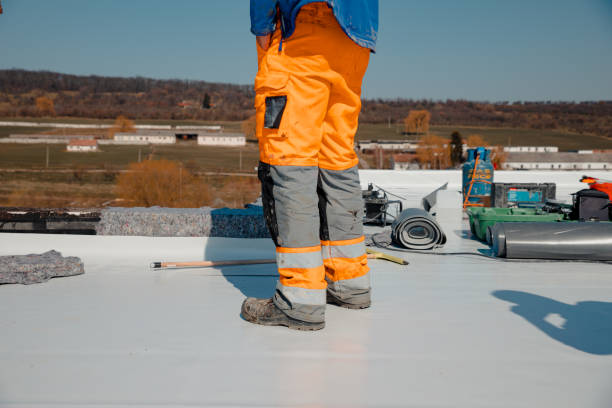
How Commercial Roof Installations San Diego, CA Experts Approach TPO Roofing for Maximum Effectiveness
Thermoplastic Polyolefin (TPO) roofing systems have become highly popular due to their durability, energy efficiency, and ease of installation. One crucial aspect of any roofing system is how it is installed. For TPO roofs, the installation method — including whether they are glued down or installed using another technique — plays a significant role in their overall performance and longevity.
Methods of Installing TPO Roofing
TPO membranes can be secured to a roof deck in several ways. Each method has unique advantages depending on the building’s needs, location, and budget.
- The TPO membrane is glued directly to the substrate using a strong adhesive.
- Ideal for roofs with unusual shapes or slopes where a smooth finish is desired.
- Provides excellent wind uplift resistance.
- Requires proper surface preparation for optimal adhesion.
- The membrane is fastened to the roof deck using screws and plates along its seams.
- Commonly used for large commercial buildings with flat or low-slope roofs.
- Allows for faster installation compared to fully adhered systems but may leave some areas susceptible to uplift if improperly secured.
- In this method, the TPO membrane is loosely laid over the substrate and held down by heavy ballast materials such as gravel or pavers.
- Suitable for buildings that can handle additional weight load.
- Cost-effective but may have reduced energy efficiency due to limited adhesion.
| Installation Method | Advantages | Disadvantages |
| Fully Adhered | Smooth finish; great wind resistance | Higher cost; surface prep required |
| Mechanically Attached | Quicker installation; cost-efficient | Potential wind uplift risk |
| Ballasted | Low cost; easy installation | Heavy load; less effective insulation |
Impact of Installation on Effectiveness
- Durability: Properly adhered membranes reduce risks of punctures or tearing caused by external forces like high winds or foot traffic.
- Energy Efficiency: An expertly installed fully adhered system minimizes gaps where air might escape, optimizing thermal performance and energy savings.
- Longevity: Poorly installed membranes can lead to water infiltration, reducing the life expectancy of the roof.
Best Practices for Optimal Installation
- Work with experienced contractors who specialize in TPO installations.
- Follow manufacturer guidelines for adhesive application or mechanical fastening.
- Prepare the substrate properly by cleaning debris and ensuring an even surface.
- Conduct regular inspections post-installation to identify any signs of wear early.
Proper installation not only impacts how well your TPO roof functions but also maximizes your investment by extending its lifespan while reducing repair costs over time.
- Understanding TPO Roofing: The Complete Guide for Commercial Roofing San Diego, CA
- Expert Installation by a Commercial Roofing Contractor San Diego, CA
- Everything You Need to Know About Commercial Roofing San Diego, CA: TPO Roofing Systems for Your Business
- A Complete Guide to TPO Roofing San Diego, CA: Benefits and Uses Explained
- A Comprehensive Guide to TPO Roofing for Industrial Roofing San Diego, CA
- TPO Roofing Systems Installed by a Commercial Roofing Company San Diego, CA